

ojasdentalclinic.com

Your Smile, Our Legacy of 26+ Years
πŸ“ž Call: +91 11 4053 3464
WhatsApp Us
Your Smile, Our Legacy of 26+ Years
🩹 Periodontal Surgery

Flap Surgeries

Flap surgery is a minor gum procedure done to clean deep infection and calculus deposits beneath the gums. It helps restore gum health, reduce bleeding, and prevent tooth loss in advanced gum disease cases.
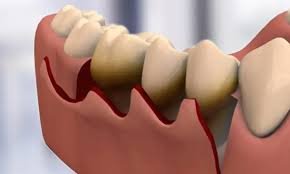
βœ“Removes deep tartar and bacterial buildup
βœ“Improves gum attachment and bone health
βœ“Reduces bleeding and swelling of gums
βœ“Prevents further bone loss
Gum Flap Surgery - Ojas Dental Clinic
Healthier Gums, Stronger Teeth
Flap surgery removes infection and helps gums heal tighter around the teeth.
βœ” Benefits

Why Flap Surgery Helps Save Teeth

When routine cleaning can’t reach deep pockets of infection, flap surgery allows the dentist to access, clean and disinfect the roots β€” saving teeth that might otherwise be lost.

βœ”Deep cleaning below gum line
βœ”Stops bleeding and foul odor
βœ”Promotes new gum attachment
βœ”Prevents progression to tooth mobility
βœ”Enhances overall oral hygiene and breath
βœ”Gums regain a firm, healthy look
βœ” Who Needs It?

When Is Flap Surgery Recommended?

Flap surgery is usually suggested for patients with chronic gum disease or deep periodontal pockets that don’t respond to regular scaling and root planing.
βœ”Persistent gum bleeding or swelling
βœ”Deep pockets around teeth seen on X-ray
βœ”Loose or shifting teeth
βœ”Recurrent gum infections despite cleanings
Periodontal Pockets X-ray - Ojas Dental Clinic
Early Detection Matters
Treating gum infection early with flap surgery helps preserve natural teeth for life.
βœ” Procedure & Aftercare

How Flap Surgery Is Performed

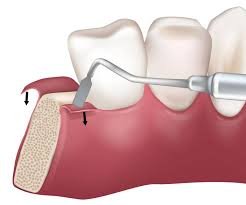
The procedure is simple and done under local anesthesia. The dentist lifts a small section of the gum to access the infected area, cleans the roots, and repositions the gum tissue for better healing.

1Anesthesia: Gums are numbed for a painless procedure.
2Flap Opening: Gum is gently lifted to expose root area.
3Cleaning: Plaque, tartar, and infected tissue are removed.
4Suturing: Gums are repositioned and stitched for healing.
5Follow-Up: Stitches removed in 7–10 days; gums heal tighter.

Aftercare Tips

βœ”Use prescribed mouthwash to prevent infection
βœ”Eat soft foods for 2–3 days
βœ”Brush gently and avoid surgical area initially
βœ”Avoid smoking or alcohol till healing completes